Why You Should See an ENT Doctor for Routine Hearing Tests
Our hearing connects us to the world, allowing us to engage in conversations, enjoy music, and stay alert to our surroundings. Yet, unlike eyesight or dental health, hearing is often overlooked until noticeable problems arise. Regular hearing tests at an ENT clinic are essential for protecting long-term hearing health. By making hearing care a routine, individuals can detect problems early and take steps to preserve their quality of life.
What Happens During a Hearing Test
The Process
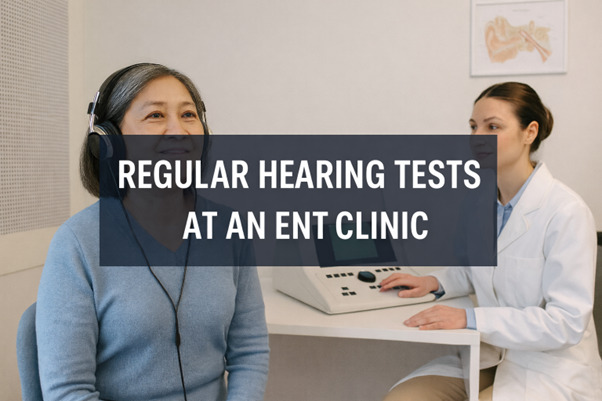
A hearing test is straightforward and painless. Using specialised equipment, such as an audiometer, the ear doctor measures how well you hear different tones and speech sounds. The results are plotted on an audiogram, which gives a clear picture of your hearing ability across various frequencies.
You may undergo different types of testing, including pure-tone testing, where you listen for tones at varying pitches, and speech testing, which measures how well you understand words at different volumes.
Middle ear and bone conduction tests may also be used to assess how well sound moves through your ear structures. Each of these tests provides the ENT with valuable information about your hearing system.
Professional Assessment
Unlike online screenings, clinical tests are highly accurate. An ENT specialist can distinguish between different types of hearing loss, such as conductive (related to the middle ear) or sensorineural (related to the inner ear or auditory nerve).
This ensures that the treatment plan recommended is tailored precisely to your needs. The accuracy and detail of results gained in a clinical setting are far more reliable than any self-assessment tool.
Detecting Problems Early
Subtle Changes
Hearing loss often develops gradually, making it easy to miss. By the time difficulties are noticeable, the loss may already be significant. Regular testing helps spot changes at the earliest stage, giving individuals the chance to address them before they worsen.
Better Outcomes
When detected early, hearing loss is easier to manage. Interventions such as hearing aids are more effective if introduced before speech understanding is severely affected.
With early management, the transition to using hearing aids is smoother, and individuals adjust more quickly to amplified sounds. Regular check-ups improve the chances of long-term success and minimise disruption to everyday life.
Key Risk Factors
Age-Related Decline
As we age, the structures of the inner ear naturally weaken. Many people over 60 experience some level of hearing reduction, with prevalence increasing significantly in those over 75.
Routine tests help track these changes so that appropriate support can be introduced in time. For older adults, this can mean continued independence and the ability to stay active in social life.
Noise Exposure
Repeated exposure to loud environments—whether at work, concerts, or through headphones—can gradually damage hearing. This type of loss often goes unnoticed until it becomes problematic. An ENT doctor can monitor these effects and guide protective measures such as custom earplugs or changes in listening habits.
Medical Causes
Certain medications, infections, and conditions like Meniere’s disease or otosclerosis can affect hearing. Ototoxic drugs, for example, can cause irreversible loss if not managed carefully.
Regular tests ensure these problems are detected early, making treatment and prevention more effective. Early recognition also allows collaboration with other healthcare professionals to protect your hearing health.
Benefits Beyond Hearing
Improved Communication
Hearing loss not only affects sound perception; it impacts relationships and social life. Mishearing conversations can lead to frustration for both the individual and their loved ones. Over time, this may result in social withdrawal. Early intervention helps maintain clear communication, enabling individuals to remain confident and connected.
Preventing Further Damage
When hearing issues are diagnosed promptly, patients can take steps to prevent progression. Your doctor may recommend lifestyle changes, protective equipment, or adjustments in daily routines to avoid further strain on the ears. Protecting the hearing you still have is just as important as treating the loss already present.
Supporting Cognitive Health
Untreated hearing loss has been linked to cognitive decline and increased risk of dementia. Struggling to hear places extra stress on the brain, as it works harder to process incomplete signals.
Addressing hearing problems early not only preserves communication but also supports overall cognitive well-being. Research suggests that the use of hearing aids may help slow down cognitive decline in some cases, underlining the importance of timely testing and treatment.
Why Visit an ENT Clinic For a Hearing Test
Advanced Equipment
An ENT clinic is equipped with specialised tools to deliver precise results. From audiometers to tympanometers and speech testing systems, the clinic ensures a comprehensive evaluation of your hearing. The use of calibrated, professional-grade equipment sets clinical testing apart from quick online checks.
Expertise and Guidance
ENT doctor has the training to interpret results and recommend solutions that go beyond hearing aids alone. They can provide strategies for managing tinnitus, guidance on hearing protection, or referrals for medical treatment if needed. Their expertise ensures that every aspect of hearing health is addressed with professional care.
Ongoing Monitoring
One of the key benefits of seeing an ENT is the ability to track your hearing health over time. With regular appointments, changes can be monitored, and your management plan updated as needed. Having a long-term record allows the doctor to spot patterns and make timely adjustments, ensuring consistent support for your hearing health.
Conclusion
Hearing is too important to take for granted. Regular hearing tests at an ENT clinic offer the best chance of detecting problems early, protecting against further loss, and maintaining a fulfilling, connected life. By prioritising routine hearing checks with a qualified ENT doctor, you are investing in your long-term wellbeing and preserving one of your most vital senses.
Do not wait until hearing problems disrupt your daily life. ENT health matters – take a proactive approach and schedule your next hearing test with an ENT clinic. By doing so, you safeguard not only your ability to hear but also your independence, relationships, and cognitive health for the years ahead.