Your Complete Guide to Nasal Endoscopy and ENT Care
Your Complete Guide to Nasal Endoscopy and ENT Care

Nasal Endoscopy: A Comprehensive Guide to Diagnosis and Treatment

Nasal endoscopy is an essential diagnostic tool used by an ENT specialist to investigate various nasal and sinus conditions. This minimally invasive procedure allows an ENT doctor to examine the nasal and sinus passages in detail, helping identify the root cause of a wide range of issues, from chronic sinus infections to nasal polyps. If you’ve been referred for a nasal endoscopy at an ENT clinic, this guide will help you understand what to expect, how it’s performed, and the conditions it can help diagnose and treat.

What is Nasal Endoscopy?

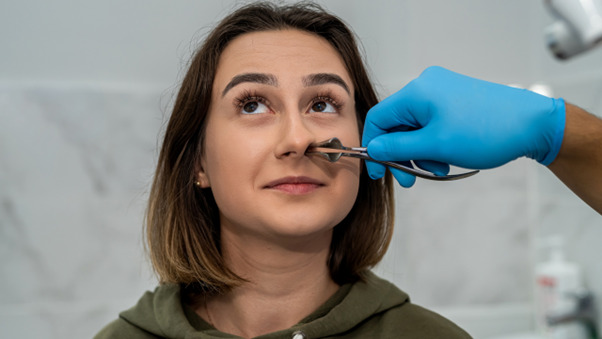
Nasal endoscopy is a procedure where a small, flexible or rigid tube, called an endoscope, equipped with a light and camera, is inserted into the nostrils. This allows the ENT doctor to get a clear view of the nasal and sinus cavities. The images from the camera are projected onto a screen, giving a detailed look at the nasal passages, which would be impossible to see otherwise.

Nasal scope procedures are typically performed by an ENT specialist in their office. This procedure is safe, quick, and well-tolerated by patients. It plays a crucial role in diagnosing conditions affecting the nose and sinuses and can also be used as a guide during certain surgeries.

Why is Nasal Endoscopy Performed?

Why is Nasal Endoscopy Performed

Diagnostic Purposes

An ENT clinic might recommend a nasal endoscopy for several reasons. If you’re suffering from persistent nasal congestion, unexplained nosebleeds, or chronic sinus infections, this procedure can help pinpoint the problem. Some common conditions that nasal endoscopy can help diagnose include:

  • Chronic sinus infections (rhinosinusitis): If you have frequent sinus infections with symptoms like facial pain, nasal blockage, and discolored mucus, nasal endoscopy helps the doctor examine the sinus tissues for signs of infection or inflammation.
  • Nasal polyps: These benign growths can block nasal passages, causing breathing issues and loss of smell.
  • Nasal tumors: Though less common, endoscopy can detect abnormal growths that may require further investigation or treatment.
  • Cerebrospinal fluid (CSF) leaks: A rare but serious condition that can cause clear fluid to leak from the nose, which an endoscopy can help identify.
  • Loss of smell: This procedure can help identify structural or tissue-related issues causing a reduction or complete loss of the sense of smell.

Therapeutic Purposes

In addition to its diagnostic capabilities, nasal endoscopy can also be used for treatment. For instance, if a foreign object is lodged in the nose (a common issue in children), the ENT specialist can remove it safely using the endoscope. Furthermore, nasal endoscopy is often used to monitor the effectiveness of treatments for conditions like nasal polyps, where regular endoscopic exams can determine if the polyps are shrinking after treatment.

The Nasal Endoscopy Procedure

The Nasal Endoscopy Procedure

Preparation

For most patients, no special preparation is needed before undergoing nasal endoscopy. However, if you are taking blood thinners, it’s important to inform your ENT doctor. They may advise you to stop taking these medications temporarily, depending on your specific situation.

Before the procedure begins, your doctor will spray a decongestant into your nose to reduce swelling. They will also apply a local anesthetic to numb the area, ensuring minimal discomfort.

What to Expect During the Procedure

The nasal endoscopy is typically performed with you seated comfortably in an exam chair. Once your nose is numbed, the ENT doctor will insert the endoscope into one nostril and gently guide it through the nasal cavity. The camera transmits images to a monitor, allowing the doctor to inspect the nasal passages thoroughly.

The entire process usually takes just 1-2 minutes per nostril. If needed, the doctor may take a tissue sample (biopsy) for further examination. While the procedure is generally painless, you might feel slight pressure as the endoscope moves through the nasal cavity.

Post-Procedure Experience

Once the endoscopy is complete, you may notice slight numbness or discomfort in your nose, which usually resolves within a few hours. In most cases, you’ll be able to resume normal activities immediately after leaving the ENT clinic. However, it’s advisable to avoid eating or drinking for about an hour until the numbing effect wears off completely.

Conditions Diagnosed and Treated by Nasal Endoscopy

Nasal and Sinus Conditions

Nasal endoscopy is invaluable for diagnosing a wide range of conditions, particularly those affecting the nasal and sinus cavities. Some of the most common issues diagnosed with this procedure include:

  • Chronic rhinosinusitis: Characterized by persistent nasal blockage, pain, and discharge, this condition involves inflammation of the nasal and sinus linings. The ENT specialist can use the endoscope to locate swelling, polyps, or pus, guiding treatment.
  • Nasal polyps: These non-cancerous growths often cause significant blockages in the nasal passages, leading to breathing difficulties and loss of smell. Nasal endoscopy is key in both diagnosing and monitoring the treatment of polyps.
  • Nasal tumors: While less common, endoscopy can identify unusual growths within the nasal cavity, helping to detect tumors early for prompt treatment.

Role in Surgery

Nasal endoscopy is also used to assist in minimally invasive surgeries. Procedures such as sinus surgery, nasal polyp removal, and tumor excision can be done using small tools guided by the endoscope. This technique eliminates the need for external incisions, leading to faster recovery times and less postoperative pain.

Risks and Complications of Nasal Endoscopy

Nasal endoscopy is generally considered a safe procedure. However, as with any medical procedure, there are some risks involved. The most common side effects include mild discomfort, temporary numbness, and occasional nosebleeds. These typically resolve quickly without the need for further treatment.

In rare cases, more serious complications such as infection can occur. If you experience symptoms such as fever, chills, or foul-smelling nasal discharge after your procedure, contact your ENT doctor immediately. Patients on blood thinners or those with bleeding disorders may also face a slightly higher risk of bleeding during or after the procedure.

What to Expect After Nasal Endoscopy

After your nasal endoscopy, your ENT specialist will review the findings with you. In many cases, the results are available immediately, allowing the doctor to discuss potential treatment options on the spot. However, if a biopsy was taken, it might take a few days for the lab results to return.

You may be asked to follow up for additional endoscopies to monitor your condition or the effectiveness of treatment. Always follow your doctor’s instructions regarding medications and post-procedure care.

Conclusion

Nasal endoscopy is a highly effective and minimally invasive tool that helps ENT specialists diagnose and treat a variety of nasal and sinus conditions. Its ability to provide real-time, high-definition images of the nasal passages makes it an indispensable part of modern ENT clinic practices. With minimal risks and quick recovery times, nasal endoscopy offers a reliable way to get to the root of persistent nasal and sinus issues.

If you’re dealing with ongoing nasal symptoms, consult with an ENT doctor about whether nasal endoscopy is the right step for you. With this procedure, your doctor can better understand your condition and recommend the most effective treatment plan.
The Importance of Seeing ENT Doctor For Hearing Test at an ENT Clinic

Regular Hearing Tests art an ENT Clinic

Why You Should See an ENT Doctor for Routine Hearing Tests 

Our hearing connects us to the world, allowing us to engage in conversations, enjoy music, and stay alert to our surroundings. Yet, unlike eyesight or dental health, hearing is often overlooked until noticeable problems arise. Regular hearing tests at an ENT clinic are essential for protecting long-term hearing health. By making hearing care a routine, individuals can detect problems early and take steps to preserve their quality of life.

What Happens During a Hearing Test  

The Process 

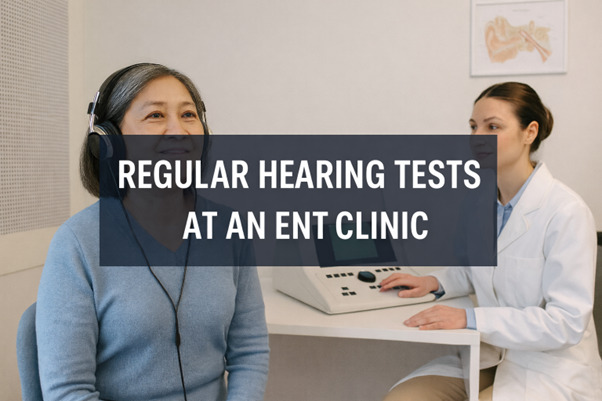
A hearing test is straightforward and painless. Using specialised equipment, such as an audiometer, the ear doctor measures how well you hear different tones and speech sounds. The results are plotted on an audiogram, which gives a clear picture of your hearing ability across various frequencies.

You may undergo different types of testing, including pure-tone testing, where you listen for tones at varying pitches, and speech testing, which measures how well you understand words at different volumes.

Middle ear and bone conduction tests may also be used to assess how well sound moves through your ear structures. Each of these tests provides the ENT with valuable information about your hearing system.

Professional Assessment  

Unlike online screenings, clinical tests are highly accurate. An ENT specialist can distinguish between different types of hearing loss, such as conductive (related to the middle ear) or sensorineural (related to the inner ear or auditory nerve).

This ensures that the treatment plan recommended is tailored precisely to your needs. The accuracy and detail of results gained in a clinical setting are far more reliable than any self-assessment tool.

Detecting Problems Early  

Detecting Problems Early

Subtle Changes 

Hearing loss often develops gradually, making it easy to miss. By the time difficulties are noticeable, the loss may already be significant. Regular testing helps spot changes at the earliest stage, giving individuals the chance to address them before they worsen.

Better Outcomes  

When detected early, hearing loss is easier to manage. Interventions such as hearing aids are more effective if introduced before speech understanding is severely affected.

With early management, the transition to using hearing aids is smoother, and individuals adjust more quickly to amplified sounds. Regular check-ups improve the chances of long-term success and minimise disruption to everyday life.

Key Risk Factors  

Age-Related Decline  

As we age, the structures of the inner ear naturally weaken. Many people over 60 experience some level of hearing reduction, with prevalence increasing significantly in those over 75.

Routine tests help track these changes so that appropriate support can be introduced in time. For older adults, this can mean continued independence and the ability to stay active in social life.

Noise Exposure 

Repeated exposure to loud environments—whether at work, concerts, or through headphones—can gradually damage hearing. This type of loss often goes unnoticed until it becomes problematic. An ENT doctor can monitor these effects and guide protective measures such as custom earplugs or changes in listening habits.

Medical Causes  

Certain medications, infections, and conditions like Meniere’s disease or otosclerosis can affect hearing. Ototoxic drugs, for example, can cause irreversible loss if not managed carefully.

Regular tests ensure these problems are detected early, making treatment and prevention more effective. Early recognition also allows collaboration with other healthcare professionals to protect your hearing health.

Benefits Beyond Hearing  

Improved Communication 

Hearing loss not only affects sound perception; it impacts relationships and social life. Mishearing conversations can lead to frustration for both the individual and their loved ones. Over time, this may result in social withdrawal. Early intervention helps maintain clear communication, enabling individuals to remain confident and connected.

Preventing Further Damage  

When hearing issues are diagnosed promptly, patients can take steps to prevent progression. Your doctor may recommend lifestyle changes, protective equipment, or adjustments in daily routines to avoid further strain on the ears. Protecting the hearing you still have is just as important as treating the loss already present.

Supporting Cognitive Health  

Untreated hearing loss has been linked to cognitive decline and increased risk of dementia. Struggling to hear places extra stress on the brain, as it works harder to process incomplete signals.

Addressing hearing problems early not only preserves communication but also supports overall cognitive well-being. Research suggests that the use of hearing aids may help slow down cognitive decline in some cases, underlining the importance of timely testing and treatment.

Why Visit an ENT Clinic For a Hearing Test  

Advanced Equipment  

An ENT clinic is equipped with specialised tools to deliver precise results. From audiometers to tympanometers and speech testing systems, the clinic ensures a comprehensive evaluation of your hearing. The use of calibrated, professional-grade equipment sets clinical testing apart from quick online checks.

Expertise and Guidance 

ENT doctor has the training to interpret results and recommend solutions that go beyond hearing aids alone. They can provide strategies for managing tinnitus, guidance on hearing protection, or referrals for medical treatment if needed. Their expertise ensures that every aspect of hearing health is addressed with professional care.

Ongoing Monitoring  

One of the key benefits of seeing an ENT is the ability to track your hearing health over time. With regular appointments, changes can be monitored, and your management plan updated as needed. Having a long-term record allows the doctor to spot patterns and make timely adjustments, ensuring consistent support for your hearing health.

Conclusion  

Hearing is too important to take for granted. Regular hearing tests at an ENT clinic offer the best chance of detecting problems early, protecting against further loss, and maintaining a fulfilling, connected life. By prioritising routine hearing checks with a qualified ENT doctor, you are investing in your long-term wellbeing and preserving one of your most vital senses.

Do not wait until hearing problems disrupt your daily life. ENT health matters – take a proactive approach and schedule your next hearing test with an ENT clinic. By doing so, you safeguard not only your ability to hear but also your independence, relationships, and cognitive health for the years ahead.


The Connection Between Allergies and Asthma: What You Need to Know

The Ultimate Guide to Keeping Your Health in Check

The Connection Between Allergies and Asthma: What You Need to Know

When it comes to respiratory health, allergies, and asthma share a lot in common. Both can cause uncomfortable symptoms like coughing, wheezing, difficulty breathing, and sneezing.

If you have one of these conditions, you might be more likely to develop the other.

That’s why it’s important to understand the similarities and differences between allergies and asthma so that you can better manage these conditions.

What Causes Allergies and Asthma?

Allergies are caused by your body’s immune system overreacting when it comes into contact with things like pollen, pet dander, and certain foods.

When your body senses these allergens, it creates antibodies called Immunoglobulin E (IgE).

These IgE antibodies trigger the release of chemicals like histamines, which cause inflammation and other uncomfortable symptoms.

Asthma is typically caused by both environmental and genetic factors. It can be triggered by things like pollen, pet dander, smoke, dust, and cold air.

It’s also believed that having a family history of asthma increases your risk of developing the condition yourself.

Signs & Symptoms of Allergies and Asthma

The signs and symptoms of allergies and asthma can often overlap.

Allergies

Allergies are an unfortunate reality for many, arising from the body’s overreaction to otherwise harmless substances like pollen or pet dander. These conditions typically manifest as annoying symptoms that range in severity — such as sneezing, itchy eyes, and throat irritation – all of which can cause considerable discomfort if left untreated.

Other less common symptoms include headache, hives, and fatigue. Some people may also experience more severe symptoms, such as difficulty breathing, wheezing, and anaphylaxis.

Asthma

Asthma is a chronic condition that causes inflamed and narrowed airways, leading to difficulty breathing.

The most common signs and symptoms of asthma include coughing, wheezing, shortness of breath, and chest tightness.

These symptoms may occur often, or only occasionally. Asthma symptoms can be triggered by a variety of factors, such as exercise, allergies, and cold air.

Allergic Asthma

Allergic asthma is a type of asthma triggered by exposure to allergens, such as pollen or pet dander.

The signs and symptoms of allergic asthma are similar to those of regular asthma but also include allergy symptoms such as sneezing and itchy eyes.

Non-Allergic Asthma

Non-allergic asthma is a type of asthma that is not triggered by allergens, but rather by other factors such as stress, exercise, or cold air.

The signs and symptoms of non-allergic asthma are similar to those of allergic asthma but without allergy symptoms.

How Are Allergies & Asthma Different?

The main difference between allergies and asthma is the underlying cause. Allergies are caused by an immune system reaction to allergens, while asthma is caused by environmental and genetic factors.

Diagnosis & Treatment Options for Both Conditions

If you’re experiencing respiratory symptoms, it’s important to have them evaluated by a medical professional. Diagnosing allergies and/or asthma may involve a physical exam, allergy testing, breathing tests, or other tests.

Treatment options for both conditions may include lifestyle changes, medications, and/or immunotherapy (allergy shots).

Diagnosis & Treatment Options for Both Conditions

Prevention Strategies for the Development of Both Allergies and Asthma

There are several actions you can take to help reduce your risk of developing allergies or asthma.

Avoid Triggers

The first and foremost prevention technique that you need to implement is identifying triggers that cause allergies and asthma. This way, you can avoid those triggers altogether. Common triggers include dust mites, pollen, pet dander, and mold.

Keep your living environment clean and free of allergens, as much as possible. You can use an air purifier and vacuum often to keep your home dust-free.

Exercise Regularly

Apart from keeping you fit, regular exercise contributes to boosting your immune system. This, in turn, plays a crucial role in zapping allergies and asthma from your life.

Exercise helps your body to fight off inflammation and keeps your lungs healthy. Doctors often recommend regular exercise to asthma patients as it helps to strengthen their breathing muscles.

Have a Healthy Diet

Your diet plays a vital role in determining your overall health, including your immune system. Foods rich in antioxidants and essential nutrients support the immune system and help ward off allergies and asthma.

Make sure to include lots of fruits, vegetables, and whole grains in your diet. Omega-3 fatty acid-rich sources like fish, flax seeds, and chia seeds are also beneficial for your lungs.

Keep Stress at Bay

Stress is another factor that can trigger allergies and asthma attacks. Taking steps to manage stress levels can help improve your overall well-being and may reduce the likelihood of developing allergies and asthma.

Try practicing calming techniques like meditation, yoga, and breathing exercises. Engage in leisure activities and hobbies that you enjoy.

Keep Yourself Vaccinated

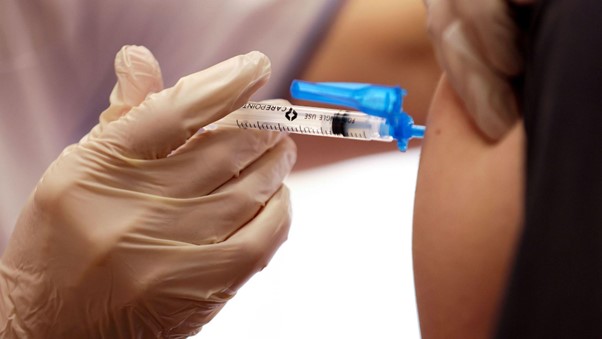
Vaccines can help keep seasonal illnesses, such as the flu, at bay, which can often trigger allergies and asthma. Make sure you get annual flu shots, as well as any other recommended immunizations, to protect yourself from developing these conditions.

Living with Allergy-Induced or Asthma-Related Symptoms - Managing Your Care Plan

Living with Allergy-Induced or Asthma-Related Symptoms: Managing Your Care Plan

If you have allergies or asthma, it’s important to establish a comprehensive care plan.

This should include regular checkups with your doctor, taking medications as prescribed, and avoiding known triggers.

It’s also a good idea to keep an allergy log so you can more closely monitor how particular allergens or environmental factors affect your symptoms.

By understanding the connection between allergies and asthma and developing an appropriate care plan for each condition, you can better manage your respiratory health.

Conclusion

Allergies and asthma often have overlapping signs and symptoms. It’s important to understand the differences between these conditions so that you can effectively diagnose and treat them.

To reduce your risk of developing allergies or asthma, practice prevention strategies like avoiding known triggers and using air filters in your home.

If you’re already experiencing allergy-induced or asthma-related symptoms, your doctor can help develop a comprehensive care plan. By following these steps, you can better manage your respiratory health and live more comfortably with allergies and/or asthma.

Learn more.

Health Benefits of Custom Orthotics Insoles

Health Benefits of Custom Orthotics Insoles


If you have been using over-the-counter shoe inserts expecting to get some relief from your heel pain, you are most likely to end up disappointed with its results. This is not your fault, it’s because of a misconception.

Many people think that it is okay to use any standard shoe insert to treat your foot problems and pain. However, this is false as there’s nothing called an “average foot” and there’s no one-size solution for foot pain.

Different people have different feet shapes, sizes, and structures and if you suffer from foot conditions like plantar fasciitis or flat feet, your podiatrist will most likely suggest custom orthotics insoles to treat the condition.


What are Custom Orthotics?

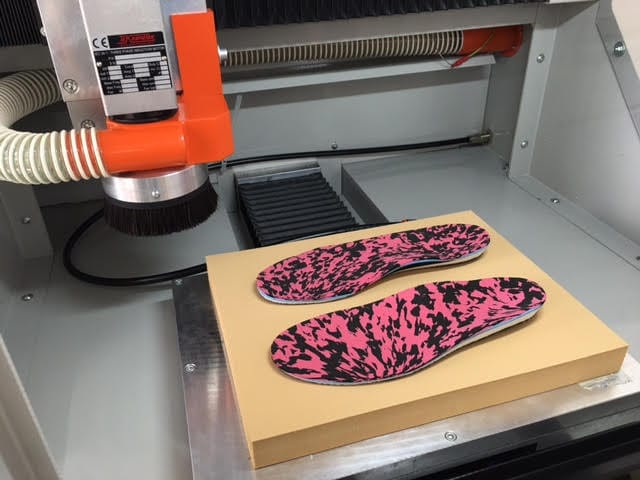
Custom orthotics are customized shoe inserts ordered by medical professionals after examining your feet, pronation, gait and after analyzing the pain and discomfort you are going through.

You know you need customized orthotics if the bottom of your shoes is not worn evenly across the toe and heel region. People with a normal gait undergo even wear-and-tear of their shoes.

They are made from much more durable material than the OTC inserts, and thus provide pain relief for years and not months. It is only after using these customized orthotics will you realize the following health benefits it offers.


Custom Foot Orthotics Insoles


1. They are especially helpful for athletes, those athletes who have recurring foot problems. It reduces foot stress and fatigue while increasing agility. It also helps in high impact sports involving lots of running and jumping by working as shock absorbers and thus reducing the stress on the joints and muscles.

2. Custom orthotics balances the feet and provides for improved shock absorption so that the shock impact is reduced drastically before reaching your limbs and starting joint pain.

3. Customized orthotics can help correct your posture and alignment by supporting the arch. This in turn minimizes the stress and discomfort of your improper gait.

4. Orthotics are especially helpful for people who have to spend a lot of time on their feet as part of their job. They help by maintaining correct weight distribution so that there is no untoward stress on only heels or arch while standing.

5. Orthotic shoe inserts also helpful for the obese who find it difficult standing for long periods if they do not get the support of the shoe inserts.

6. Balanced and properly supported feet mean a reduced chance of suffering from an ankle or foot injury, back pain, and even knee or hip pain.

7. Flat feet orthotics help by gradually shifting the shape of the arch and thus treats flat feet to improve your walk and gait. There is also orthotics which proves helpful for those with unusually high arches by reducing the stress and discomfort of the high arches.

8. Helps relieve any foot pain, stress, and fatigue caused by ankle problems by taking pressure of foot calluses and bunions. It provides support to arches to relieve arch pain and reduce muscle stress and fatigue.

9. Customized orthotic shoe inserts help improve your poor balance which was caused by improper lower limb alignment. The inserts help by supporting your arch and cradling your heel so that your pronation is gradually improved.

10. Custom orthotics are much more comfortable than the standard inserts you find in shoe stores. This is because custom orthotic insoles are manufactured as per your individual body’s biomechanical needs. So a runner with foot pain may be prescribed a particular treatment while those with broken bones or inflamed ligaments will be prescribed some other orthotic treatment.

11. Orthotics help improve skeleton alignment by gradually changing the angles of joints to provide pain relief.

12. The shoe inserts help reduce extremity rotation caused by overpronation. It also reduces the velocity at which joints move through its ranges.

13. Orthotics are not only helpful at providing relief from foot pain, but also helps those suffering from back pain, hips or knee pain, and people suffering from arthritis-related pain. Orthotics also help treat foot pain triggered by health issues like diabetes.

So you can see that there are many health benefits associated with using customized orthotics. The trick lies at consulting the right podiatrist who has the knowledge and experience to prescribe the right feet orthotics based on your individual needs and requirements.

Possible Complications of Rhinoplasty & Blepharoplasty And How You Can Avoid These

Possible Complications of Rhinoplasty & How You Can Avoid Them

One of the primary concern of nose job surgery is the post surgery bleeding. The bleeding may occur shortly after the surgery or it can happen at a later date like as late as two or even three weeks after the procedure.

To reduce the risk of bleeding, it is recommended that you avoid lifting heavy items or over exert yourself for at least three weeks post surgery.  You should also avoid bending position as bending over can increase nasal pressure that lead to bleeding.

You should also try your best not to sneeze or blow your nose or sticking anything into it during the recovery period. If you have to sneeze, expel the sneeze through your mouth, not your nose. Instead of picking your nose, you can use a salt water nasal spray to help prevent crusting after your surgery.

Besides bleeding, the next possible complication is having the nasal bone moved out of position. To prevent this, you need to be extra careful when you are in a crowded area and when you are around people. Do not be within arm’s reach from people who like to talk with their hands for at least a couple of weeks. This will help avoid any accidental bang or struck onto your nose.

To speed up your post nose job surgery recovery, you can follow these easy tips:

When you are sleeping, keep your head lifted up as much as you can. A good way to elevate your head is by sleeping with 2 pillows.

Image of sleeping position after rhinoplasty surgery
Elevate Your Head During Sleep After Rhinoplasty Surgery

Right after your rhinoplasty surgery, take lots of deep breath and keep circulation going to prevent blood clots by walking around and wiggle your toes when you are in bed.

Two weeks prior and two weeks after your nose job, you should stop taking aspirin or any other medication that thin your blood so that you do not bleed excessively.

The healing and full recovery will take time so be patient and understand that it is a process in which you will feel better and look better as time goes by.

Rhinoplasty Singapore can change one’s appearance for the better if it is done well.


Possible Complications of Blepharoplasty Eyelid Surgery & How You Can Avoid Them


To prepare for the recovery after your eyelid surgery, have these items ready at home:

  1. Ice pack or freezer bags filled with ice or frozen peas or corns as you will use these as cold application to your eyelids post-op.
  2. Eye drops. You can ask your eye surgeon to recommend the suitable type for the post-op needs.
  3. Pain relief medication. You can also request your surgeon to prescribe the right type of pain medication and avoid aspirin or herbal supplements that may increase the risk of bleeding.
  4. Small gauze pads

Immediately after your Blepharoplasty Singapore eyelid surgery, you may experience light sensitivity, excessive tearing or double vision. Swelling and bruising is likely to happen and will last more than couple of weeks. The area around your incisions will be red and obvious at the beginning and your eyelids will be puffy and you may experience numbness for several days.

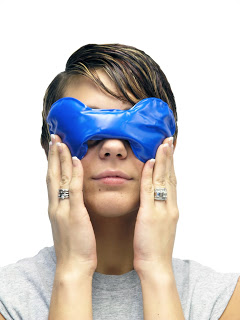
application of icepack after Apply Ice Pack After Blepharoplasty Eyelid Surgery
Apply Ice Pack After Blepharoplasty Eyelid Surgery

To reduce the swelling, apply ice packs to your eyes. Your surgeon will probably instruct you to apply ice packs or cold compresses to your eyes to help reduce swelling.

Pain is usually minimal. However if you experience long-lasting pain or extreme pain or redness after the surgery, you must inform your doctor and find out if it indicate any sign of problem.

The amount of time it takes for full recovery do vary greatly among individuals.

The general guideline is to rest in bed following the eyelid surgery and stay home to relax and apply cold compress onto your eyes for up to three days post surgery.

Sleep with your head elevated as much as possible during the first few days to reduce swelling. You can use regular pillows or sleep on a recliner.

Just like rhinoplasty, it is very important that you follow all the after surgery care instructions given by your plastic surgeon. Avoid straining, heavy lifting, strenuous activities like swimming, aerobics and jogging, for up to a month. During the recovery, you should avoid abrupt head movement or any activities that increase blood pressure in your head like bending over.

Your eyes may get tired easily for several weeks after the surgery so take frequent naps and try your best to stay away from activities like reading, watching TV, looking at computer for the first couple of weeks as these activities may dry your eyes. Put on your dark sunglasses when you are outdoor to protect the eyes from possible irritations caused by wind and the sun.

Hope you find the above recovery tips helpful in preparing for your rhinoplasty and/or eyelid cosmetic plastic surgery.


Nail Care Essentials – Maintaining Strong Healthy Nails

Having a good nail care go far beyond just manicures and nail polish. It’s not only important to have a regular and thorough nail-care routine to remove harmful germs and bacteria, nail care is also an important part of personal grooming. Some care and attention is definitely needed to maintain the health of the nail. There are many factors that can affect the health of your nails.

Common Nail Problems

When there is abnormal nail change, it is generally not due to your diet unless you are suffering from severe malnutrition. Sometimes nail problems indicate a nutritional imbalance.

Brittle nails can be due to iron deficiency or nutritional deficiencies or the result of age or too much or too little moisture. Spoon-shaped or upturned nails can be also be due to iron deficiency or as a result of repeated trauma.

common-nail-problems-nail-splitting-image

When you clip the nail too short or wear ill-fitting shoes, it can lead to an ingrown toenail. If you have white spots on the nails, it can be due to a deficiency in zinc.  Good sources of zinc will include shellfish, meat, nuts, whole grain and root vegetables.

Ridging of the nails can be due to eczema, psoriasis or other skin problems but the most common reason is due to aging.  Nail injury and rheumatoid arthritis can also cause vertical ridges.

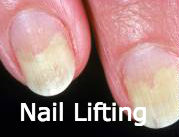
Toenail and fingernail fungal infections can cause inflammation around the nail (paronychia) as well as nail lifting problem. The nail may turn thick, crumbly and yellowed. You might see white or black,  powdery discoloration of the nail plate’s surface. Fungal nail infections account for nearly one-half of all nail problems. It may occur at any age but is more common in older individuals. Diabetic patients are more likely to develop a fungal nail infection.

Nail lifting may also occur with other skin conditions like eczema (including hand dermatitis), psoriasis, and lichen planus and other underlying medical problems, including thyroid disease, pregnancy, and rarely some forms of cancer. Other possible causes of nail lifting are injury to the nails, use of nail cosmetics, and aggressive manicures.

Consult a doctor if your nail lifting becomes bothersome. Your doctor will evaluate the condition and may perform tests for infection and prescribe antibacterial or anti-fungal treatment if fungal infection is present.


nail-lifting-problem-image


Fungal infections of the nails are common among the older individuals, associated with athlete’s foot. Bacteria nail infection will usually lead to inflammation of the region of the finger or toe from which the nail plate originates. Such inflammation may be short term or it could be may a long-term problem or one that is chronic – keeps coming back.

Your doctor is most likely to prescribe a topical steroid or anti-fungal medication and/or an oral anti-fungal medicine or antibiotics. You can also consume a supplementary of zinc for a period of six months to help improve the condition.


The Importance of Nail Care

Many people pay close attention to how their hair look but do not care much for their nails while there are some who understand the importance of caring for their nails as they know that nails are an important part of our body and are our handy helper. Our nails not only help us do things like scratching an annoying itch or picking up coins from the ground but they also protect the fingers and toes.

Therefore it is important to take good care of your nails. Here are some simple and easy tips to get your nails in good shape:

Keep them short and clean, trim them in the shape of the tip of your finger and cut your toenails straight across.


After washing your hands and feet, dry them well. Change your socks daily. Apply moisturizer lotion on your fingernail when your hands feel dry. And more importantly, eat healthy balanced diet to maintain good nutrition, take selected supplements to keep your nails strong and healthy.

Scroll to Top