Breast Enhancement Surgery in Singapore

Why Breast Enhancement Surgery Is Gaining Popularity In Singapore

There are various reasons why women in Singapore choose breast enhancement surgery to help them achieve the look they desire and to boost their self-image and confidence. The common reasons are as follows:

  • Feel that breasts are too small and wish to increase the size and make them bigger
  • Your breast are uneven in shape and size and you wish to balance them up
  • After a significant weight loss, your breast lost the volume
  • After child-birth, your breast lost the former fullness and shape and you wish to rejuvenate your breasts
  • Due to aging over time your breast are sagging and you want to improve the appearance of your nipples

 

breast-enhancement-model-photo


Breast augmentation surgery uses breast implants to improve the size and shape of a woman’s breasts and is usually carried out under general anesthetic. During the procedure, your Singapore breast surgeon will place the breast implant either beneath the breast tissue and on top of the pectoralis muscle (sub-glandular) or partially beneath the pectoralis major muscle (submuscular), giving your breasts a fuller shape.


Your surgeon will use either silicone gel-filled or saline-filled breast implants that are designed to fit your body shape and silhouette, to achieve your desired result. Your surgeon will explain the advantages of each type of breast implant with you.

A combination of a breast lift is performed by a surgeon to help patients whose breasts are sagging and lack volume.  Breast lift surgery involves lifting and repositioning the nipple, tightening of the breast skin, and reposition the breast tissue to a higher position on the chest, at which point implants will be inserted.

Breast augmentation in Singapore is a relatively safe procedure with few complications when it is performed by well trained experienced plastic surgeons. However, as with any surgery, there are still potential risks involved thought these risks are small.  Following your breast augmentation surgery, you may expect some bruises, swelling, twinges of pain, and discomfort. Changes in breast and nipple sensation may also occur. This is usually temporary.

What To Expect & Watch For After Breast Augmentation Surgery

After the first 3 days, you should start feeling more comfortable and after resting for a week or two, you should be able to return to work. You should avoid any strenuous activity for at least three to four weeks.  If you are a smoker, you should stop completely before surgery and after surgery as smoking will cause a delay in your wound healing and also increase the risk of bleeding and infection.


If you develop any of these symptoms like excessive swelling or offensive wound discharge or night seats, you should consult your surgeon to seek immediate attention.

Excessive swelling of one or both sides might mean you have developed a collection of blood around the implant which needs to be surgically drained. A large amount of wound discharge could be an early sign of infection and should be brought to your surgeon’s attention.

Red hot sensation in the breasts or having chills or night sweats could also be an indication of infection. If there is an infection, your implants will need to be removed and replaced with another after 2 to 3 months.

During the first month of recovery, you should avoid any activity that puts stress on the wounds as well as avoids raising your arms above the head or lifting any heavy items.  You can engage in light activities but not aerobics exercises nor swimming until after six weeks following the surgery.

Breast enhancement surgery requires long term commitment as you may need to undergo adjustment surgery at a later date. On average, most breast implants life span is about 10 years, with some lasting up to 15 years without the need to be replaced. Finding a reputable and experienced female plastic surgeon to help you achieve the desired outcome of your breast enhancement. Find out from the surgeon if you are a good candidate for breast augmentation procedure, before going under the knife.

Don’t Let Stress Hurt Your Health & Beauty

Chronic Stress Symptoms & Health Impact

More than half the Singapore adult population claims to be suffering from stress to some level. It is no longer just the high flying executives that are suffering from stress, but the unemployed, the exhausted working mothers, and the students as well.


stress in singapore
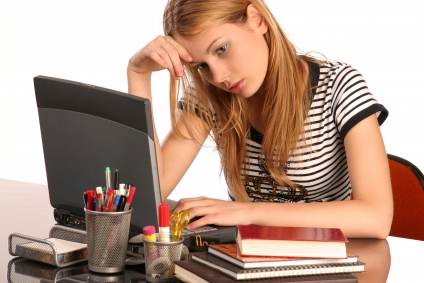
Singapore kid is stressed about homework

student-feeling-stress-image


There is evidence linking chronic stress to our overall well being and health, linking stress to certain diseases. These stress related diseases include high blood pressure, headaches, facial pain, neck pain, stomach ulcers, asthma, irritable bowel syndrome, infections, anorexia nervosa, menstrual period problems (PMS) and the list goes on.


The most common symptoms of stress include:

  • disturbed sleep and early morning waking
  • insomnia
  • panic attacks
  • migraines and headaches
  • loss of appetite
  • compulsive eating
  • excessive smoking
  • fatigue
  • irrational thoughts
  • easily irritated, uncontrolled emotions
  • frequent illnesses
  • irrational thoughts

The 1st warning for some of us could be a bout of flu or the onset of headaches. Alternatively our digestive system or our energy levels could be affected. As time goes by, our immune system dyfunction and some of us develop migraine headaches, others get recurrent flush, irritable bowel symptom, depression, chronic fatigue or panic attacks. Some minority will simply have a fatal heart attack or develop a serious medical condition. Studies have shown that people who bottle up their emotions are more likely to die early and in particular to have heart attacks.


What We Can Do To Manage Stress Better

There is plenty of medical evidence to support the fact that persistent stress can affect us both physically and mentally. Many of us have the ability to cope with near tragedy or disaster, and it is not until it is over that we feel it is safe to “fall apart”.

Here are tips to help you cope and manage your stress better:

  • Get some counselling to help you sort out the stressful situations you are facing
  • If you are suffering from panic attacks, consult doctor to prescribe a low dose of beta-blockers to help you cope with anxiety symptoms.
  • Do a physical medical examination and tests to check your iron levels, thyroid function, and check for early diabetes or underlying infection.
  • Set aside some sacred time for yourself, time to think and time to switch off from your responsibilities.
  • Open up and share with your family how you really feel, and ask for their support while you get yourself sorted out


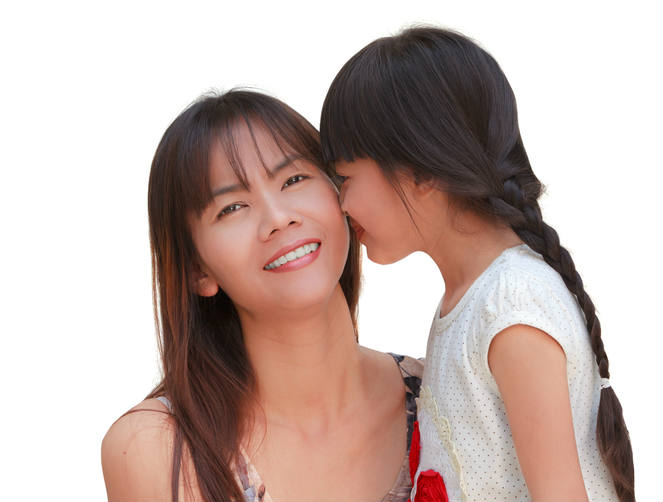
family-support

  • If it is work-related stress, discuss with your colleagues how you can make changes
  • Learn not to take on too much and learn to say “NO” to others when you feel you are already fully committed.
  • Prioritise your responsibilities and see if you can off-load and delegate some of the less important tasks to others
  • Watch an entertaining film or read a good book
  • Laugh occasionally as laughter is a great medicine
  • Make time each day to simply relax for about 15 minutes, with no interruptions. Simply switch off your phone, cut off any possible distractions and just let yourself relax
  • Most importantly, set aside time each week to exercise.


There are a variety of ways to control your chronic stress and is important you implement some of the above methods to prevent the harmful effect stress has on your health and beauty.

Fighting Colds & Flu

COLDS AND FLU : PREVENTION AND TREATMENT

There is a respiratory  tract  condition that occurs so frequently that is been called as the COMMON COLD. Most of us are familiar with its runny nose, sore throat, headache, fever, sneezing, and general sick feeling.

Slightly less common is influenza or the flu. It is often quite difficult to differentiate this illness from a common cold. However it differs in its abrupt onset, shorter duration and more severe fever, muscle aches, chills and fatigue.


Simple and Easy Tips To Help You Prevent a Cold or Flu

  • Avoid exposure to infected individuals.
  • Don’t strain your brain. Mental fatigue, emotional distress, and physical exhaustion will invite colds and the flu.
  • Eat plenty of fresh fruits and vegetables

fresh-fruits-vegetables

  • Get enough rest and sleep. Eight hours sleep is the average that most of us will need. Sleeping enough is more important than what most of us think we need to stay healthy.
  • A daily dose of essential fatty acids
  • When the air become dry, use a humidifier

What To Eat & Do When You Have a Cold or Flu

  • Stay away from caffeine such as coffee, black tea, chocolate, cocoa
  • Refrain from taking alcohol
  • Reduce sugar, all forms of sugar whether is brown sugar or white sugar or maple syrup or even honey. You can have some when you are better but not when you are sick
  • If you must drink fruit juices, dilute them half with water. Contrary to what most of us have been told, orange juice do not cure a cold, but actually will make it worse.
  • Eat only when you are hungry. Listen to your body.
  • Drink plenty of fluids like water, herbal tea, fresh vegetable juice
  • Consume plenty of vitamin C rich foods such as tomatores, broccoli, green peppers and kiwi.
  • Supplement with at least 1000mg vitamin C tablet every few hours.
  • Avoid iron when you are ill.
  • Take naps and sleep longer at night too as your body need the rest to heal.

resting

  • Cut down on physical exhaustion. Only exercise if you feel up to it. This is not a time to train for a marathon       .
  • Practice being lazy. Keep your work load to a minimum level, if possible. Delegate any extra tasks out so you can take it easy. If you can, take medical leave and stay home to rest.
  • If you are coughing or having dry throat, vaporize your air by adding few drops of eucalyptus oil, a glob of Vicks or any other chest rub containing eucalyptus. Not only will the warm steam help to ease you but the smell of eucalyptus will aid your breathing.

What To Lookout When You Have Cold or Flu

  • Extreme breathing problems, chest pain and wheezing
  • Sudden or unrelenting diarrhea or vomiting
  • Extremely painful headache
  • Stiff neck, especially if you feel pain upon bending
  • Dark looking urine or very light colored stools
  • Yellow eyes or skin
  • If your illness last more than a week without any noticeable improvement
  • If you have the above symptoms, you need to consult your doctor immediately.


Hope this article has helped you in gaining a better understanding of common cold or flu and how best to manage it when it does strike you.  Feel free to share this with your loved ones and like this article.

Scroll to Top